Step 1: Consent and purpose verified for 'medical_diagnosis'.
Step 2: Metadata de-identified. Personal identifiers removed.
Step 3: Differential privacy applied with epsilon=0.1.
Final Private Metadata: {'age': 45, 'diagnosis': 'Epilepsy', 'research_id': '414c025683466b544c3d90dc04eeaa2b39c6c2a841f51d57b50c53ee7b18036e'}27 Ethical AI: The Rights of the Mind
NoteLearning Objectives
By the end of this chapter, you will be able to:
- Understand the unique ethical stakes of technologies that interact with the brain.
- Analyze the core principles of “neurorights” as a framework for responsible innovation.
- Evaluate the risks to mental privacy, personal identity, and free will posed by NeuroAI.
- Assess challenges of bias and equity in the development of neurotechnologies.
- Apply ethical frameworks to the design and governance of NeuroAI systems.
The integration of neuroscience and artificial intelligence is not just a technical challenge; it is a profound ethical frontier. We are building technologies that can read, write, and reshape the very substrate of human experience. This chapter explores the critical ethical landscape of NeuroAI, providing a framework for navigating this new territory responsibly.
ImportantWhy Ethics Matter More in NeuroAI
NeuroAI is fundamentally different from other forms of AI. It doesn’t just interact with our data; it interacts with our minds. The stakes are higher because the technology touches the core of what makes us human.
- The Last Frontier of Privacy: Your brain data is not just data; it’s your thoughts, emotions, and memories. It is the last and most intimate frontier of privacy.
- The Malleability of Self: Technologies that can write to the brain, such as advanced brain-computer interfaces, could alter our sense of identity, personality, and agency.
- The Risk of Cognitive Inequality: If neuro-enhancing technologies are only available to the wealthy, we risk creating a society with unprecedented cognitive divides.
- The Nature of Consent: How can meaningful consent be given for a technology that might access subconscious thoughts or influence the very capacity to consent?
We are not just engineering algorithms; we are architecting the future of human consciousness. The ethical choices we make now will have consequences for generations to come.
27.1 18.1 A Framework for the Future: Neurorights
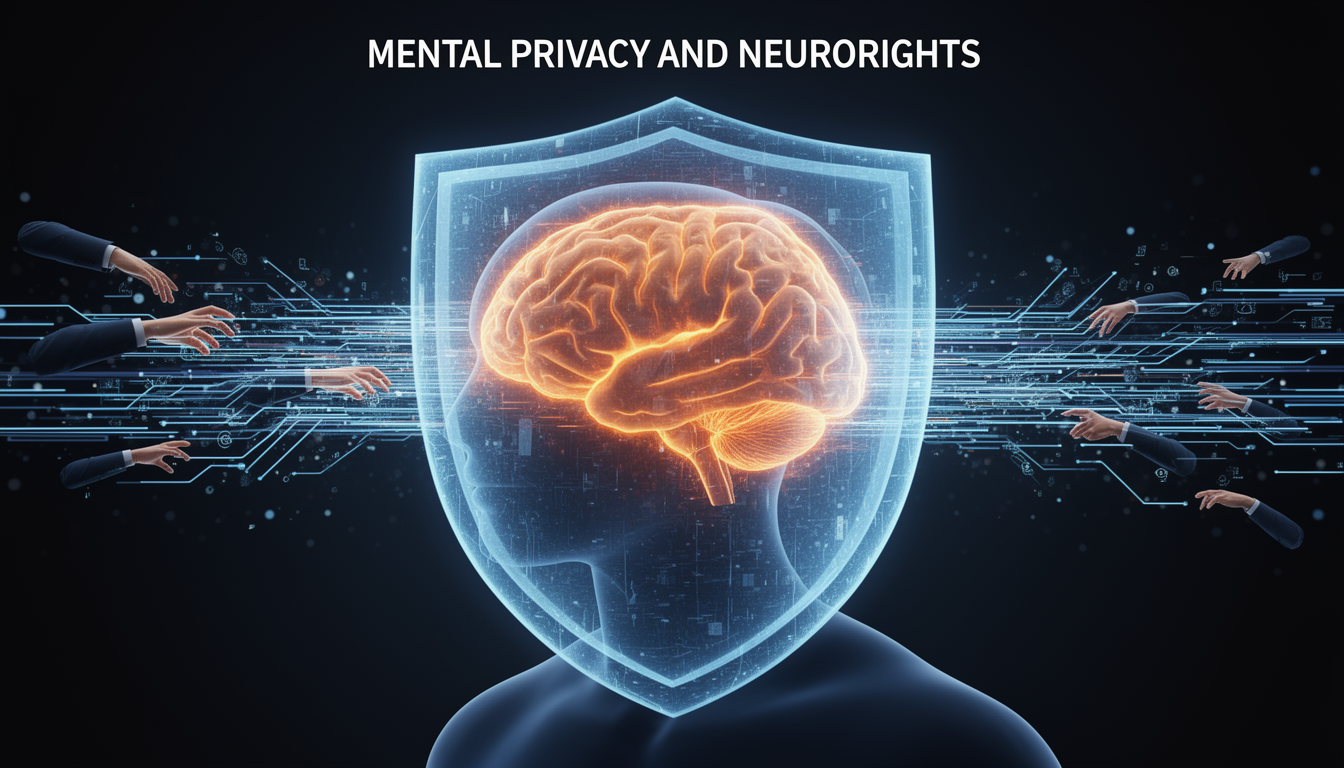
To navigate this complex landscape, a growing movement of ethicists, neuroscientists, and policymakers has proposed the concept of neurorights. These are a new class of human rights designed to protect the human mind from the potential misuse of advanced neurotechnology. This chapter is structured around five core neurorights.
- The Right to Mental Privacy: The right for our neural data to be kept private.
- The Right to Personal Identity: The right to control our sense of self, free from technological manipulation.
- The Right to Free Will: The right to make our own decisions, free from neuro-technological coercion.
- The Right to Fair Access: The right to equitable access to the benefits of mental augmentation technologies.
- The Right to Protection from Bias: The right to be free from discrimination based on our neural data.
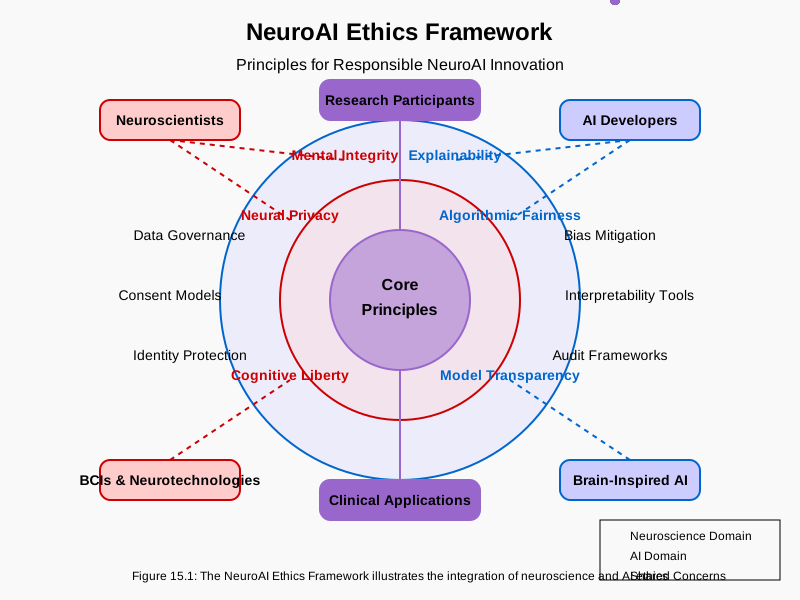 Figure 18.1: The five core neurorights provide a framework for addressing the key ethical challenges at the intersection of AI and neuroscience.

27.2 18.2 The Right to Mental Privacy: Who Owns Your Thoughts?
Brain data is the most sensitive personal information imaginable. Neural activity can reveal not only medical conditions but also our unspoken thoughts, emotions, and biases. Protecting this data is the cornerstone of NeuroAI ethics.
In a clinical context, this is paramount. Healthcare applications must comply with strict regulations like HIPAA (in the US) and GDPR (in the EU), which treat neural data as highly sensitive Protected Health Information (PHI). Responsible systems must be built with “privacy by design.”
Key principles for protecting neural data include: - Informed Consent: Users must give explicit, unambiguous, and ongoing consent for how their neural data is collected, used, and shared. - Data Minimization: Collect only the data that is absolutely necessary for the intended purpose. - De-identification: Strip all personally identifiable information from data whenever possible. - Purpose Limitation: Data collected for one purpose (e.g., medical diagnosis) should not be used for another (e.g., marketing) without separate, explicit consent.
27.3 18.3 Identity and Agency: Is It Still Me?
As NeuroAI moves from reading the brain to writing to it, we face profound questions about personal identity and free will. These are not merely philosophical puzzles. They have immediate practical implications for patients, users, and society.
18.3.1 The Right to Personal Identity
Our sense of self is rooted in our unique mental life: our memories, personality traits, preferences, and cognitive abilities. The Right to Personal Identity protects this core sense of self from unauthorized alteration.
The Deep Brain Stimulation Dilemma: Deep brain stimulation (DBS) for Parkinson’s disease is a well-established therapy. Electrodes implanted in the brain deliver electrical pulses that dramatically reduce motor symptoms. However, in rare cases, patients report feeling like “different people” after DBS, becoming more impulsive, less empathetic, or developing altered personality traits. When is a side effect a violation of identity?
This question becomes even more complex with closed-loop BCIs that use AI to continuously adjust stimulation based on decoded brain states. If an AI gradually tunes a patient’s neural activity to reduce anxiety, but in doing so also dampens their creative impulses, has it violated their right to identity? Where do we draw the line between therapeutic intervention and identity alteration?
Principles for Protecting Identity: 1. Minimal Intervention: Use the least invasive approach that achieves the therapeutic goal 2. Informed Consent for Identity-Relevant Changes: Explicitly discuss potential personality or cognitive changes with patients before treatment 3. Reversibility: Where possible, design interventions that can be reversed if patients feel their identity has been negatively affected 4. Patient Autonomy: Respect patients’ right to refuse interventions that might alter their sense of self, even if medically beneficial
18.3.2 The Right to Free Will
The Right to Free Will protects our capacity to make autonomous decisions, free from undue neural influence. Bidirectional BCIs that can both read and write neural information pose an unprecedented threat to this autonomy.
Thought-to-Speech BCIs: Consider a BCI that decodes intended speech from motor cortex activity, enabling a paralyzed person to communicate. This is profoundly beneficial. But the same technology could, in theory, be used to decode any intended action, including those the person chooses not to act on. What if an employer used such a device to monitor whether employees were mentally “engaged” in their work? What if law enforcement used it to detect criminal intent before a crime is committed?
Cognitive Enhancement and Coercion: As cognitive enhancement technologies (memory aids, attention boosters, creativity enhancers) become available, will there be implicit pressure to use them to remain competitive? If your colleagues are using neural enhancements to work longer hours with perfect focus, can you realistically choose not to enhance? This is a form of “soft coercion” that undermines free will without any explicit force.
Mitigation Strategies: - Transparency: The user must always be aware of when a BCI is actively stimulating the brain, with clear indicators (visual, auditory, or haptic feedback) - User Control: The user must have ultimate control, including the ability to override or shut down the device at any time (a “cognitive kill switch”) - Read-Only by Default: Systems should be designed with the least invasive approach necessary, prioritizing read-only interfaces over those that can write to the brain unless clinically essential - Ban on Covert Cognitive Influence: It should be illegal to use neurotechnology to influence decisions without explicit, informed consent - Right to Cognitive Liberty: Individuals have the right to refuse cognitive enhancement without facing discrimination in employment, education, or other domains
27.4 18.4 Fair Access: Avoiding a Neuro-Divide
Neuro-enhancing technologies could create a new and profound form of inequality. If cognitive enhancement is expensive, we risk a future where the wealthy can purchase superior memory, focus, or intelligence, while others are left behind. This could create a “neuro-divide” that is far more extreme than existing socioeconomic disparities.
18.4.1 The Spectrum of Access Inequality
Therapeutic vs. Enhancement: There is broad consensus that therapeutic neuro-technologies (restoring lost function) should be accessible to all who need them, funded through healthcare systems. The controversy centers on enhancement technologies that go beyond restoration to augmentation.
Consider three scenarios:
Scenario 1: Memory Prosthetics for Dementia: A BCI that helps patients with early-stage Alzheimer’s retain memories. This is clearly therapeutic and should be universally accessible.
Scenario 2: Memory Enhancement for Students: The same BCI technology marketed to students to boost exam performance. This is enhancement, and if only wealthy students can afford it, it exacerbates educational inequality.
Scenario 3: Memory Enhancement for Aging: Older adults with normal age-related memory decline (not dementia) use the technology to maintain cognitive function. This blurs the therapy-enhancement boundary.
The Right to Fair Access does not necessarily mean that everyone must be given free cognitive enhancements. Rather, it implies a societal obligation to:
18.4.2 Policy Approaches to Equitable Access
Prioritize Therapeutic Use: - Direct public research funding toward technologies that restore function for people with disabilities and neurological disorders - Ensure robust insurance coverage for medically necessary neuro-interventions - Prohibit or heavily tax purely cosmetic or enhancement applications until therapeutic needs are met
Promote Equitable Distribution: - Require companies that develop neuro-technologies with public funding to provide affordable access to underserved populations - Establish public clinics that offer neuro-diagnostic and therapeutic services at sliding-scale fees - Invest in digital infrastructure to ensure teleneurology services can reach rural and underserved communities
Regulate Enhancement: - Engage in broad public deliberation about which enhancements should be permitted, restricted, or banned - Establish testing and safety standards for cognitive enhancement technologies, similar to pharmaceutical regulation - Prohibit enhancement technologies in contexts where they would confer unfair competitive advantages (standardized tests, professional certifications) unless universally available
Prevent Coercive Enhancement: - Pass laws prohibiting employers from requiring or incentivizing employees to use cognitive enhancements as a condition of employment - Protect individuals’ rights to refuse enhancement without discrimination - Monitor for implicit coercion (social pressure, competitive disadvantage) and address through policy interventions
27.5 18.5 Protection from Bias: The Prejudiced Machine
Just like any other AI system, NeuroAI is susceptible to bias. If the neural data used to train a diagnostic model is not representative of the full diversity of the human population, the model may be less accurate for underrepresented groups.
The stakes are higher with NeuroAI: - A biased facial recognition algorithm might fail to identify a person. - A biased neural diagnostic algorithm might misdiagnose a seizure, leading to incorrect treatment and severe health consequences.
The Right to Protection from Algorithmic Bias requires a proactive approach: - Diverse Datasets: Actively curating and sharing diverse, representative neural datasets. - Bias Audits: Regularly testing models for performance disparities across different demographic groups (age, sex, ancestry, etc.). - Inclusive Design: Involving diverse teams and community stakeholders in the design and testing of NeuroAI technologies.
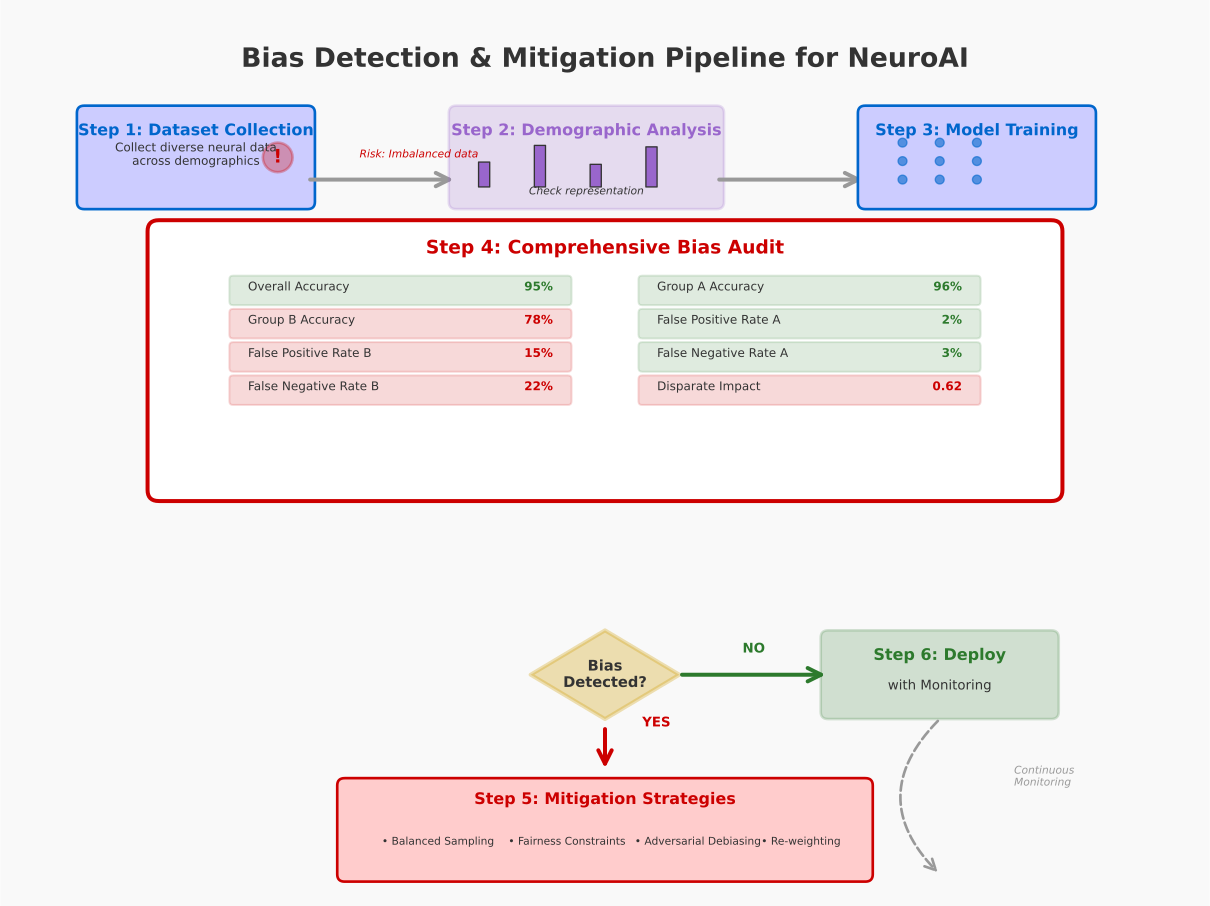 Figure 18.2: A comprehensive bias detection and mitigation pipeline for NeuroAI systems. The workflow begins with diverse dataset collection, followed by demographic analysis to check representation. After model training, a thorough bias audit examines multiple fairness metrics across demographic groups, including accuracy disparities, false positive/negative rates, and disparate impact ratios. If bias is detected, multiple mitigation strategies can be applied (balanced sampling, fairness constraints, adversarial debiasing, re-weighting) before returning to audit. Only after passing the bias audit should the system be deployed, with continuous monitoring to detect emerging biases in real-world use.
18.5.1 Case Study: Bias in Neural Seizure Detection
Consider a real-world scenario: a deep learning model trained to detect epileptic seizures from EEG recordings. If the training data predominantly contains recordings from adult European patients, the model may:
- Fail to generalize to pediatric patients, whose brain activity patterns differ significantly
- Underperform for patients of different ancestries, who may have subtle differences in baseline EEG patterns
- Miss seizures that present differently across age groups or genetic backgrounds
This isn’t hypothetical. Studies have shown that medical AI systems trained on non-representative data consistently underperform for minority populations, leading to diagnostic delays, incorrect treatments, and worse health outcomes. For NeuroAI, where a missed diagnosis can be life-threatening, such biases are unacceptable.
Mitigation in Practice: The seizure detection model should be: 1. Trained on a dataset stratified by age, sex, ancestry, and clinical presentation 2. Audited separately for each demographic subgroup 3. Calibrated to ensure equal sensitivity and specificity across all groups 4. Continuously monitored post-deployment for performance drift in specific populations
27.6 18.6 The Dual-Use Dilemma: Technologies That Cut Both Ways
One of the most challenging aspects of NeuroAI ethics is the dual-use problem: the same technology that can be used for tremendous good can also be misused for harm. A brain-computer interface that allows a paralyzed patient to communicate can, in theory, also be used to decode thoughts without consent. An emotion recognition system that helps diagnose depression could be repurposed for manipulation or coercion.
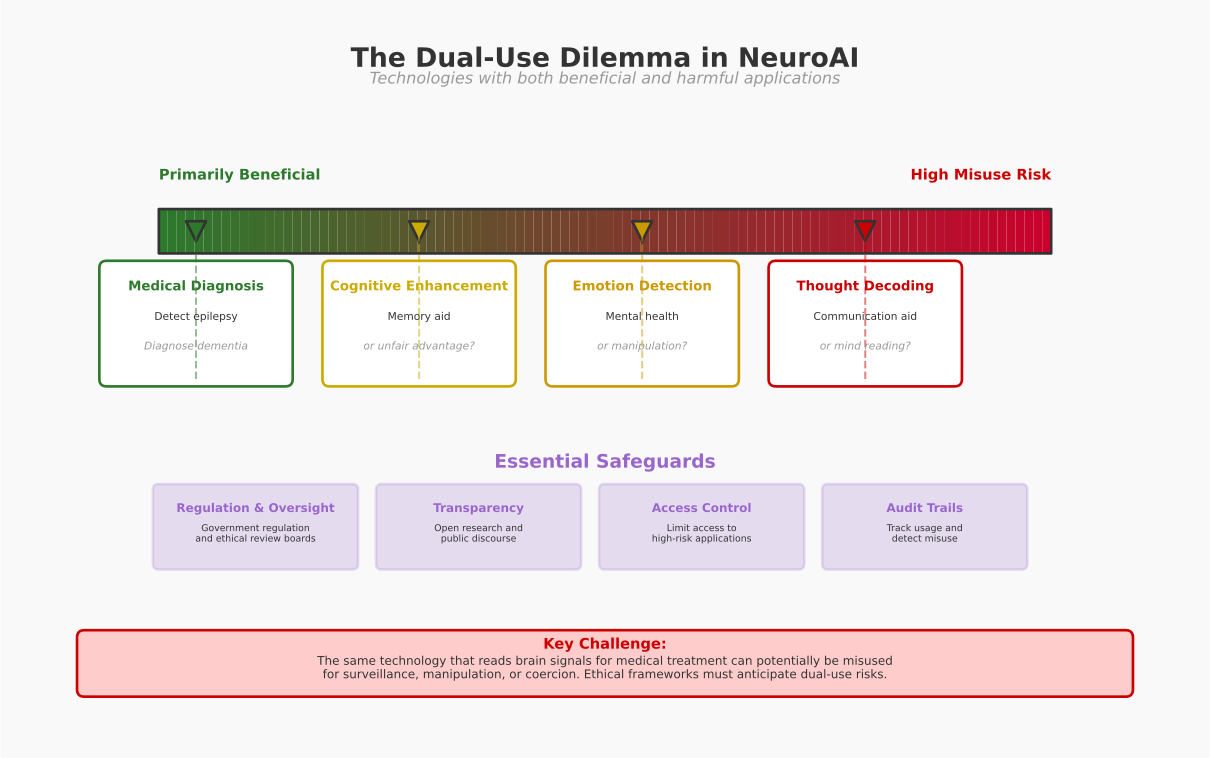 Figure 18.3: The dual-use dilemma in NeuroAI technologies spans a spectrum from primarily beneficial applications to those with high misuse risk. Medical diagnosis systems (detecting epilepsy, diagnosing dementia) sit at the low-risk end. Cognitive enhancement technologies raise questions about fairness and access. Emotion detection systems can support mental health but also enable manipulation. At the highest-risk end, thought decoding technologies could enable communication for locked-in patients but also pose severe privacy threats. Essential safeguards include regulation and oversight, transparency in research, access controls for high-risk applications, and comprehensive audit trails to detect misuse.
18.6.1 Categories of Dual-Use Risk
Low Risk: Primarily Therapeutic Technologies like diagnostic classifiers for neurological diseases have clear medical benefits and limited potential for misuse. While privacy protections are still essential, the primary use case is unambiguously beneficial.
Moderate Risk: Enhancement Technologies Cognitive enhancement tools (memory aids, attention boosters) exist in a gray area. They can help individuals with cognitive deficits, but widespread availability could create societal pressure to enhance, leading to a cognitive “arms race” and exacerbating inequality.
High Risk: Surveillance and Control Technologies that decode private mental states (intentions, beliefs, emotions) or that can write to the brain to influence behavior represent the highest dual-use risk. These capabilities could be misused for: - Covert Surveillance: Monitoring employees’ or citizens’ mental states without consent - Manipulation: Using decoded emotional states to target vulnerable individuals with precision advertising or propaganda - Coercion: Using brain stimulation to influence decisions or suppress dissent
18.6.2 Safeguards Against Misuse
Addressing dual-use risks requires a multi-layered approach:
Technical Safeguards: - Purpose Limitation by Design: Build systems that can only be used for their intended purpose. For example, a seizure detection model should not be architected in a way that enables emotion recognition. - Audit Trails: Log all data access and model queries to enable forensic analysis if misuse is suspected. - Federated and Privacy-Preserving Architectures: Keep sensitive neural data decentralized and process it locally whenever possible.
Governance Safeguards: - Ethical Review: Require institutional review board (IRB) approval for all research involving neural data, with enhanced scrutiny for high-risk applications. - Tiered Access Control: Restrict access to the most sensitive capabilities to certified clinicians and researchers with documented need. - International Agreements: Establish treaties analogous to those governing weapons of mass destruction to prevent the weaponization of neurotechnology.
27.7 18.7 Privacy Preservation: A Technical Deep Dive
The right to mental privacy is not just an ethical principle; it requires concrete technical implementation. Let’s examine the major privacy-preserving techniques and their trade-offs.
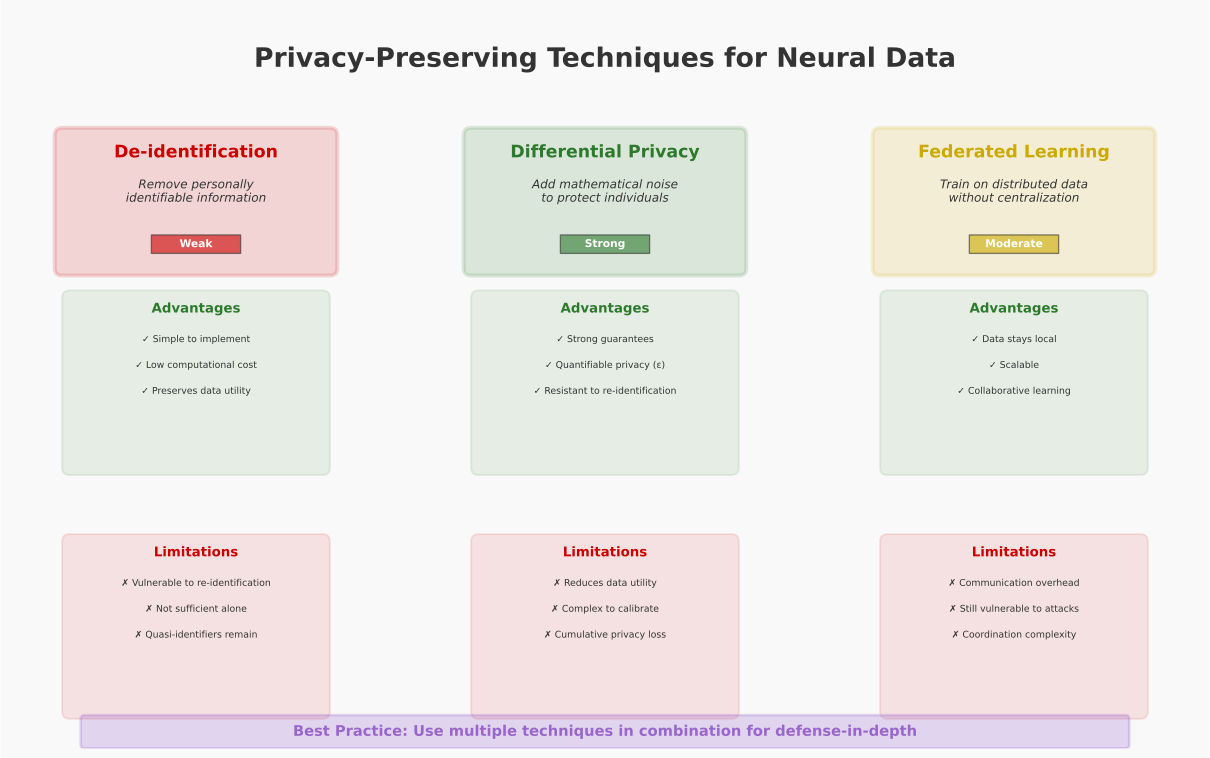 Figure 18.4: Comparison of three major privacy-preserving techniques for neural data. De-identification (removing personally identifiable information) is simple and preserves data utility but offers weak protection against re-identification attacks. Differential privacy adds mathematical noise to provide strong, quantifiable privacy guarantees (ε parameter) but reduces data utility and requires careful calibration. Federated learning trains models on distributed data without centralizing it, offering moderate protection while enabling collaborative research, though it introduces communication overhead and coordination complexity. Best practice: Use multiple techniques in combination for defense-in-depth.
18.7.1 Differential Privacy: Mathematical Guarantees
Differential privacy is the gold standard for privacy protection. It provides a mathematical guarantee: the presence or absence of any single individual in a dataset has a negligible effect on the output of any analysis.
Formally, a mechanism M satisfies ε-differential privacy if, for any two datasets D and D’ that differ by a single individual:
\[P(M(D) \in S) \leq e^\epsilon \times P(M(D') \in S)\]
The parameter ε (epsilon) is the privacy budget. A smaller ε means stronger privacy but more noise and less utility.
Implementation for Neural Data:
def add_differential_privacy(neural_data, epsilon=0.1):
    """
    Add Laplace noise to neural data to achieve differential privacy.

    Args:
        neural_data: Raw EEG/fMRI/spike train data
        epsilon: Privacy budget (smaller = more private)

    Returns:
        Privatized neural data
    """
    sensitivity = compute_global_sensitivity(neural_data)
    scale = sensitivity / epsilon
    noise = np.random.laplace(0, scale, neural_data.shape)
    return neural_data + noise
Key Challenge: Finding the right epsilon is a delicate balance. Too large, and privacy is weak. Too small, and the data becomes unusable for research. For neural data, which is already noisy and high-dimensional, this balance is especially difficult.
18.7.2 Federated Learning: Collaborative Without Centralization
Federated learning enables multiple institutions (hospitals, research labs) to collaboratively train a model without sharing their raw data. The process:
- Each institution trains a local model on its own data
- Only the model updates (gradients or weights) are shared with a central server
- The central server aggregates these updates to create a global model
- The global model is sent back to all institutions
Why This Helps Privacy: Raw neural recordings never leave the institution where they were collected. An adversary would need to reverse-engineer the raw data from the model updates, which is significantly harder (though not impossible).
Real-World Application: A consortium of hospitals could collaboratively train a brain tumor detection model, each contributing their local expertise, without violating patient privacy by sharing MRI scans across institutional boundaries.
27.8 18.8 Governance: A Multi-Stakeholder Ecosystem
No single entity (not researchers, not companies, not governments) can ensure responsible NeuroAI alone. It requires a coordinated ecosystem of stakeholders, each playing a distinct role.
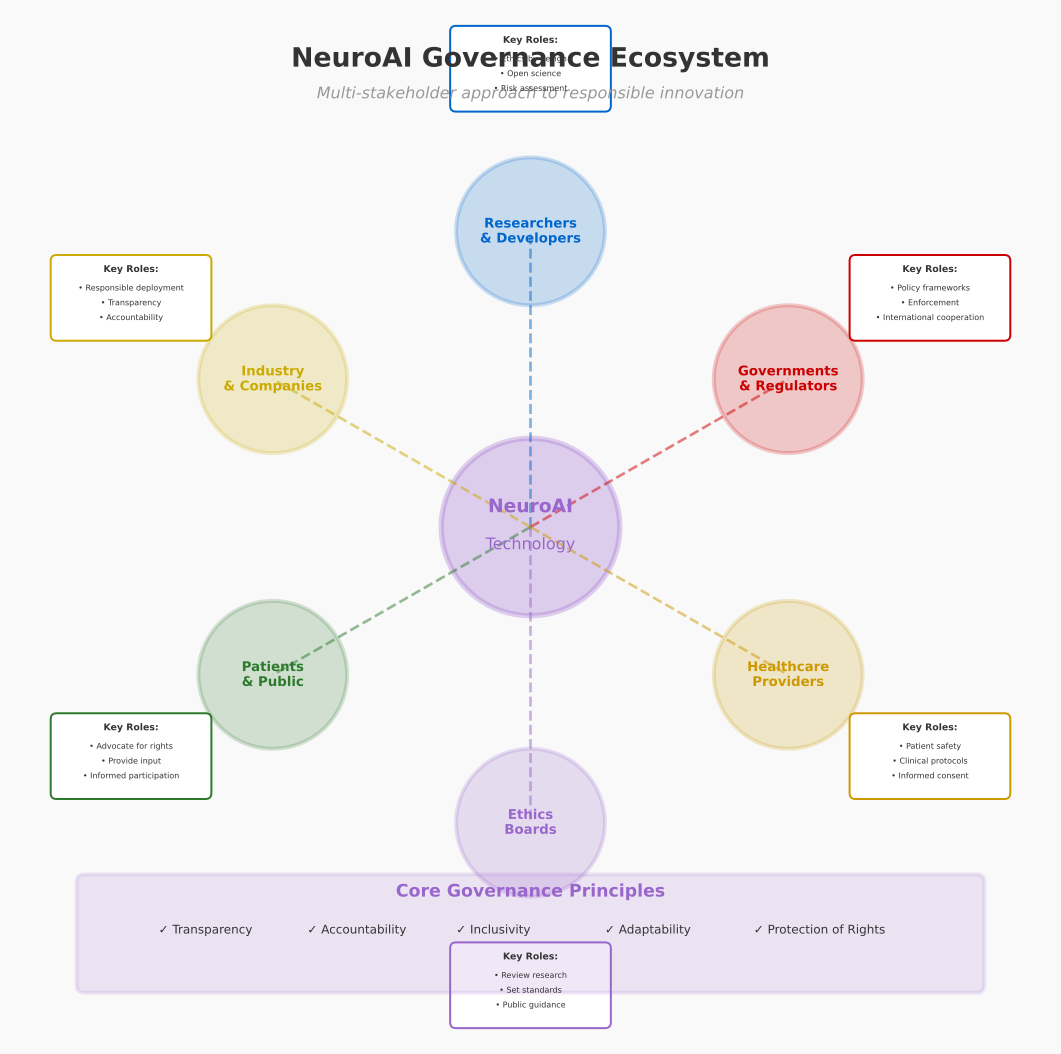 Figure 18.5: The NeuroAI governance ecosystem requires coordination among multiple stakeholders, each with distinct responsibilities. Researchers and developers must practice ethics by design, open science, and rigorous risk assessment. Governments and regulators create policy frameworks, enforce standards, and foster international cooperation. Healthcare providers ensure patient safety, establish clinical protocols, and obtain informed consent. Ethics boards review research proposals, set standards, and provide public guidance. Patients and the public advocate for their rights, provide input on acceptable uses, and participate in informed ways. Industry and companies are responsible for safe deployment, transparency, and accountability. Core governance principles include transparency, accountability, inclusivity, adaptability, and protection of fundamental rights.
18.8.1 The Role of Regulation
Existing regulations like HIPAA (US) and GDPR (EU) provide a foundation, but they were not designed for the unique challenges of NeuroAI. We need new regulatory frameworks that:
Classify Neural Data as a Special Category: Not all biometric data is equal. Neural data should receive the highest level of protection, analogous to genetic information, because it can reveal not just identity but mental states, cognitive abilities, and predispositions.
Mandate Algorithmic Audits: Before a NeuroAI diagnostic system is approved for clinical use, it must undergo rigorous bias and fairness audits, with results publicly disclosed.
Establish “Red Lines”: Certain applications, such as non-consensual thought decoding or cognitive manipulation, should be explicitly prohibited. The difficulty is defining these boundaries without stifling beneficial innovation.
18.8.2 International Cooperation
Brain data is global. A researcher in one country can train a model on data from another. This creates a race-to-the-bottom risk, where companies move research to jurisdictions with weaker protections. International agreements are essential.
Precedents: The Universal Declaration of Human Rights and the Convention on Human Rights and Biomedicine provide models. We need a similar framework specifically for neurotechnology and NeuroAI.
Chile’s Neurorights Law: In 2021, Chile became the first country to enshrine neurorights in its constitution, establishing the rights to mental privacy, free will, and equal access to cognitive enhancement. This is a landmark precedent, but global harmonization is needed to prevent regulatory arbitrage.
27.9 18.9 The Path Forward: Responsible Innovation
Navigating this ethical minefield requires a commitment to responsible innovation, where ethical considerations are not an afterthought but are woven into the fabric of the research and development process from the very beginning.
18.9.1 Ethics by Design
Ethics by design means building ethical principles and safeguards into the technology from its inception, not as a retrofit. This includes:
- Privacy-Preserving Architectures: Use federated learning, differential privacy, and secure enclaves by default
- Explainability: Design models that can explain their predictions in human-understandable terms, especially for high-stakes applications like medical diagnosis
- Fail-Safes: Build in mechanisms to detect and halt operation if the system behaves unexpectedly or if privacy violations are detected
- Minimal Data Collection: Only collect the neural data absolutely necessary for the intended application
18.9.2 Stakeholder Engagement
Technology development cannot happen in a vacuum. Effective NeuroAI governance requires:
- Participatory Design: Involve patients, disability advocates, and affected communities in the design process from the start
- Public Deliberation: Create forums for public input on which applications of NeuroAI are acceptable and which cross ethical boundaries
- Transparency: Publish research protocols, datasets (in privacy-preserving form), and model architectures to enable external scrutiny
- Education: Invest in public education about NeuroAI capabilities and limitations to enable informed consent and policy decisions
18.9.3 Adaptive Governance
The pace of NeuroAI innovation is faster than traditional regulatory cycles. We need governance frameworks that can adapt:
- Regulatory Sandboxes: Allow carefully monitored pilot deployments of novel technologies to gather real-world evidence before full approval
- Living Guidelines: Create ethical guidelines that are regularly updated as technology and societal norms evolve
- Anticipatory Regulation: Use foresight methods to anticipate future risks and establish guardrails before harmful applications emerge
- Cross-Sector Collaboration: Foster dialogue between technologists, ethicists, policymakers, and civil society to ensure diverse perspectives
The journey into NeuroAI is a journey into the essence of ourselves. It is a path that requires not only brilliant engineering but also profound wisdom, humility, and an unwavering commitment to human dignity and rights.
27.10 18.10 Responsible Use of AI: Practical Guidelines
While ethical principles provide the “what” and “why,” responsible use frameworks provide the “how.” This section offers concrete, actionable guidance for researchers, developers, and clinicians working with NeuroAI systems at every stage of the development lifecycle.
18.10.1 The Responsible AI Development Lifecycle
Responsible AI is not a checkbox to tick before deployment. It’s a continuous process integrated into every phase of development, from initial concept through ongoing maintenance.
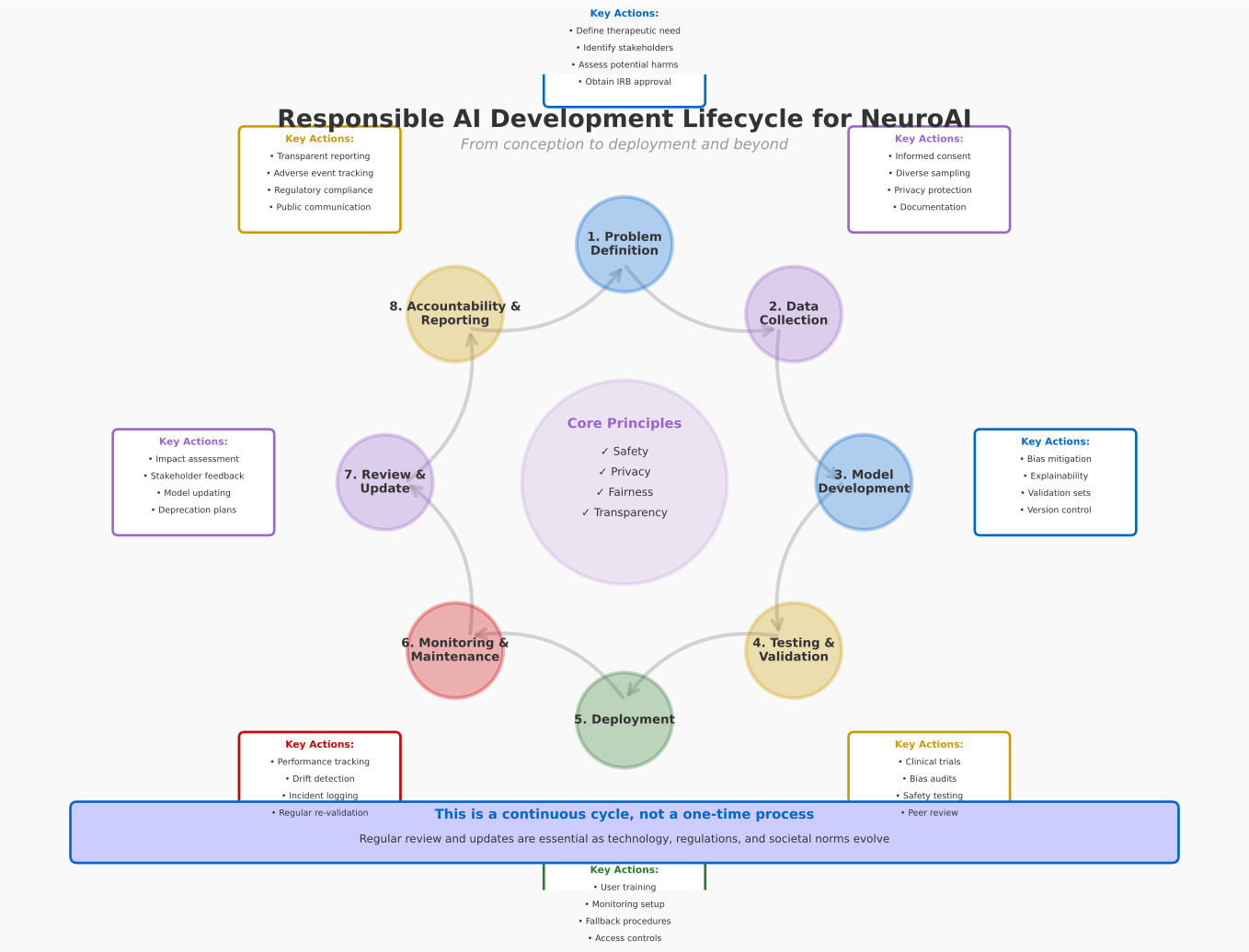 Figure 18.6: The responsible AI development lifecycle is a continuous, iterative process spanning eight key phases. (1) Problem Definition: Clearly define the therapeutic need, identify stakeholders, assess potential harms, and obtain IRB approval. (2) Data Collection: Ensure informed consent, diverse sampling, privacy protection, and comprehensive documentation. (3) Model Development: Implement bias mitigation, build in explainability, maintain validation sets, and use version control. (4) Testing & Validation: Conduct clinical trials, perform bias audits, complete safety testing, and undergo peer review. (5) Deployment: Provide user training, set up monitoring systems, establish fallback procedures, and configure access controls. (6) Monitoring & Maintenance: Track performance metrics, detect model drift, log incidents, and conduct regular re-validation. (7) Review & Update: Assess real-world impact, gather stakeholder feedback, update models as needed, and plan for deprecation. (8) Accountability & Reporting: Maintain transparent reporting, track adverse events, ensure regulatory compliance, and communicate with the public. At the center are four core principles: Safety, Privacy, Fairness, and Transparency.
18.10.2 Phase-Specific Responsibilities
Phase 1: Problem Definition
Before writing a single line of code, responsible AI development begins with clear problem definition:
- Therapeutic Need Assessment: Is there a genuine unmet clinical need? Will this technology provide meaningful benefit over existing alternatives? Document the specific problem you’re solving.
- Stakeholder Mapping: Identify all affected parties, including patients, clinicians, caregivers, insurers, and regulators. Engage them early to understand needs and concerns.
- Potential Harms Analysis: Conduct a structured analysis of potential harms (physical, psychological, social, economic). What could go wrong? Who could be harmed? Document mitigation strategies.
- IRB Approval: Obtain Institutional Review Board approval before collecting any human data. This is not optional. It’s a legal and ethical requirement.
Phase 2: Data Collection
The quality and ethics of your data collection profoundly shape every downstream outcome:
- Informed Consent Protocols: Develop clear, jargon-free consent forms. Patients must understand: (1) what data is collected, (2) how it will be used, (3) who will have access, (4) how long it will be retained, (5) their right to withdraw consent.
- Diversity by Design: Actively recruit participants to ensure representation across age, sex, ancestry, socioeconomic status, and clinical presentation. Document the demographics of your dataset.
- Privacy Protection from Day One: Implement de-identification, encryption, and access controls before collecting the first data point. Privacy breaches are far easier to prevent than to fix.
- Comprehensive Documentation: Maintain detailed records: recruitment methods, inclusion/exclusion criteria, data quality issues, preprocessing steps. This is essential for reproducibility and auditing.
Phase 3: Model Development
Building the model itself requires constant attention to ethical considerations:
- Bias Mitigation Techniques: Use balanced sampling, fairness constraints in the loss function, and adversarial debiasing. Test multiple approaches.
- Explainability: For clinical applications, black-box models are often unacceptable. Use inherently interpretable models (decision trees, linear models) or add explanation layers (attention mechanisms, saliency maps, SHAP values).
- Proper Train/Val/Test Splits: Ensure no data leakage. The test set must remain completely untouched until final evaluation. Consider temporal splits if deploying over time.
- Version Control: Use Git or similar systems to track every model iteration. You must be able to reproduce any model you deploy, years later if necessary.
Phase 4: Testing & Validation
This is where many well-intentioned projects fail. Rigorous validation is non-negotiable:
- Clinical Trials: For medical applications, conduct prospective clinical trials. Retrospective validation on existing data is insufficient. You must test in real clinical workflows.
- Comprehensive Bias Audits: Test performance separately for every demographic subgroup. A model with 95% overall accuracy but only 70% accuracy for elderly patients or minority populations is not ready for deployment.
- Safety Testing: Simulate failure modes. What happens if the input data is corrupted? If network connectivity drops? If a sensor malfunctions? Test under realistic, noisy conditions.
- Peer Review: Submit your work to peer-reviewed journals and conferences. External scrutiny identifies blind spots.
Phase 5: Deployment
Deployment is not the finish line. It’s the beginning of a new set of responsibilities:
- Clinical Training Programs: Clinicians must understand the system’s capabilities, limitations, failure modes, and when to override its recommendations. A model is only as good as its users’ understanding.
- Patient Education: Develop clear, accessible materials explaining what the AI does, its accuracy, and its limitations. Patients have a right to know when AI is involved in their care.
- Monitoring Infrastructure: Set up real-time dashboards tracking performance metrics, usage patterns, and error rates. Anomalies should trigger immediate investigation.
- Fallback Procedures: What happens when the AI fails? Establish clear protocols for reverting to standard care. The AI should augment, not replace, clinical judgment.
Phase 6: Monitoring & Maintenance
An AI system deployed is an AI system that requires ongoing vigilance:
- Performance Tracking: Continuously monitor accuracy, precision, recall, and fairness metrics. Compare to baseline performance established during validation.
- Distribution Drift Detection: Patient populations change over time. New diseases emerge. Sensors age. Detect when the input data distribution shifts away from training data.
- Incident Logging: Maintain a detailed log of every error, near-miss, and adverse event. These logs are essential for root cause analysis and continuous improvement.
- Periodic Re-Validation: Re-validate the model on fresh data annually (or more frequently for rapidly changing domains). Update or retrain as needed.
Phase 7: Review & Update
Regular review ensures the system continues to serve its intended purpose:
- Impact Assessment: Has the system achieved its intended benefits? Are there unintended consequences (positive or negative)? Collect data to answer these questions rigorously.
- Stakeholder Feedback: Survey clinicians and patients. Are they satisfied? Do they trust the system? What improvements would they suggest?
- Model Updating: Based on new data and feedback, update the model. Follow the same rigorous validation process as the original deployment.
- Deprecation Planning: All technology eventually becomes obsolete. Plan for graceful sunset, including data migration and continuity of care.
Phase 8: Accountability & Reporting
Transparency and accountability are the foundation of trust:
- Public Reporting: Publish annual reports on system performance, including demographic breakdowns, error rates, and adverse events. Be transparent about limitations.
- Adverse Event Tracking: Mandatory reporting of serious adverse events to regulatory authorities (FDA, etc.). Establish clear definitions and reporting timelines.
- Regulatory Compliance: Maintain ongoing compliance with HIPAA, GDPR, FDA regulations, and institutional policies. Regulations evolve, so stay current.
- Public Communication: If problems arise, communicate proactively and honestly with patients, providers, and the public. Cover-ups always make things worse.
18.10.3 Pre-Deployment Safety Checklist
Before any NeuroAI system is deployed in a clinical setting, it must pass a comprehensive safety checklist. This is not bureaucracy. It’s patient protection.
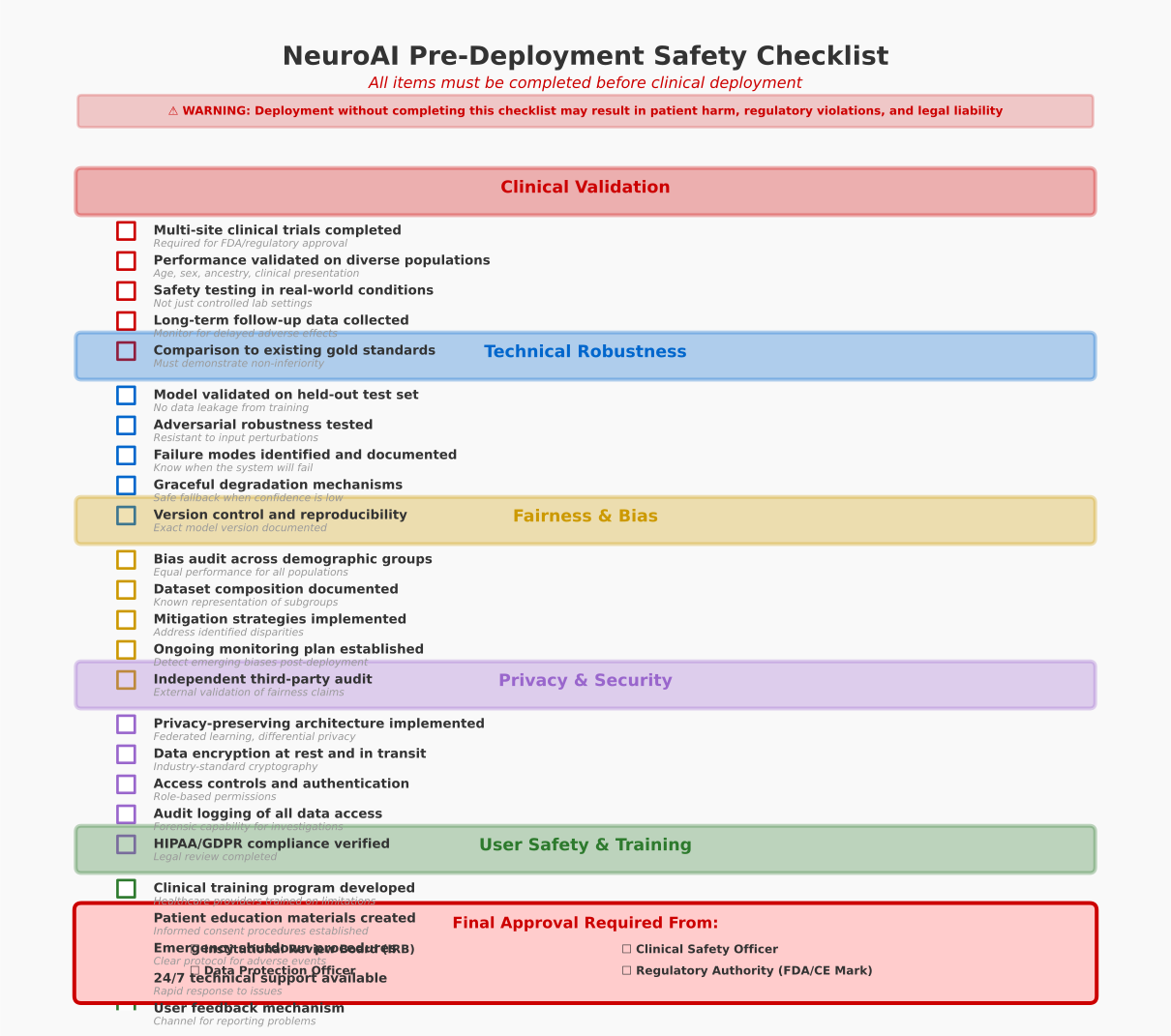 Figure 18.7: Comprehensive pre-deployment safety checklist for NeuroAI systems. All items across five critical categories must be completed before clinical deployment: (1) Clinical Validation: Multi-site trials, diverse population validation, real-world safety testing, long-term follow-up, comparison to gold standards. (2) Technical Robustness: Held-out validation, adversarial testing, failure mode documentation, graceful degradation, reproducibility. (3) Fairness & Bias: Demographic bias audit, dataset documentation, mitigation implementation, monitoring plans, independent third-party audit. (4) Privacy & Security: Privacy-preserving architecture, encryption, access controls, audit logging, regulatory compliance. (5) User Safety & Training: Clinical training programs, patient education, emergency protocols, 24/7 support, feedback mechanisms. Final approval required from IRB, Clinical Safety Officer, Data Protection Officer, and Regulatory Authority.
18.10.4 Clinical Validation Requirements
NeuroAI systems used in medical contexts require especially rigorous validation, analogous to pharmaceutical trials:
Level 1: Retrospective Validation - Test on historical data from your institution - Establishes proof-of-concept - Not sufficient for deployment
Level 2: Prospective Single-Site Validation - Test in real clinical workflows at your institution - Clinicians use the system’s outputs (with safeguards) - Document all decisions and outcomes - Still not sufficient for broad deployment
Level 3: Multi-Site Prospective Validation - Test across multiple independent institutions - Different patient populations, workflows, equipment - This reveals generalization issues and real-world robustness - Minimum for regulatory approval consideration
Level 4: Randomized Controlled Trial (RCT) - Gold standard: randomly assign patients to AI-assisted vs. standard care - Measure patient outcomes, not just diagnostic accuracy - Required for definitive evidence of clinical benefit
18.10.5 Incident Response and Accountability
Despite best efforts, things will go wrong. Responsible AI requires planning for failures:
Immediate Response Protocol (< 24 hours): 1. Identify: Detect the incident through monitoring, user reports, or adverse event reporting 2. Contain: If there’s potential for ongoing harm, suspend system operation immediately 3. Notify: Inform institutional safety officers, legal counsel, and (if required) regulatory authorities 4. Document: Create detailed incident report with timeline, affected patients, potential harm
Investigation Phase (1-7 days): 1. Root Cause Analysis: What went wrong? Was it a data issue? Model error? User error? System integration problem? 2. Impact Assessment: How many patients were affected? What was the severity of harm? 3. Corrective Actions: What technical, procedural, or training changes are needed to prevent recurrence?
Long-Term Response (ongoing): 1. Implement Fixes: Deploy corrections to the model, system, or procedures 2. Re-Validation: Verify that the fix works and doesn’t introduce new problems 3. Lessons Learned: Share findings with the broader NeuroAI community (in anonymized form) 4. Regulatory Reporting: Submit required reports to FDA, institutional review boards, etc.
18.10.6 Case Studies in Responsible and Irresponsible AI
Case Study 1: IBM Watson for Oncology (Cautionary Tale)
IBM’s Watson for Oncology was deployed in multiple hospitals worldwide to recommend cancer treatments. However:
- Problem: The system was trained primarily on hypothetical cases from a single institution (Memorial Sloan Kettering), not diverse real-world data
- Result: Doctors found recommendations that contradicted established clinical guidelines and sometimes suggested unsafe treatments
- Outcome: Multiple hospitals discontinued use. Lawsuits followed.
Lessons: (1) Training data must reflect real-world diversity. (2) Validation must occur in actual clinical workflows, not just retrospectively. (3) Hype and marketing pressure led to premature deployment.
Case Study 2: Epic’s Sepsis Prediction Model (Mixed Results)
Epic Systems deployed a sepsis prediction model across hundreds of hospitals to detect sepsis early.
- Good: Multi-site validation, real-world testing, integration with clinical workflows
- Problem: A retrospective study found the model had lower sensitivity (detecting only 7% of sepsis cases in some analyses) than advertised
- Response: Epic disputed the findings, noting different methodologies. Debate continues.
Lessons: (1) Even well-resourced deployments can have performance issues. (2) Independent validation is essential. (3) Transparency about performance metrics (including limitations) is crucial.
Case Study 3: BCI for ALS Communication (Responsible Example)
Research teams developing brain-computer interfaces for ALS patients have exemplified responsible innovation:
- Approach: Small, carefully monitored trials with extensive informed consent; transparent reporting of successes and failures; focus on patient-defined goals (communication, not commercial metrics)
- Result: Gradual, evidence-based progress with clear documentation of limitations
- Ongoing: Continuous engagement with patient advocacy groups, regular safety monitoring
Lessons: (1) Slow, careful validation can build trust. (2) Patient-centered design yields better outcomes. (3) Transparency about limitations doesn’t undermine credibility; it strengthens it.
18.10.7 Red Flags: When to Stop and Reassess
Certain warning signs should trigger immediate pause and reassessment:
🚩 Performance Disparities: If your model’s accuracy differs by >10% across demographic groups, stop. Fix the bias before proceeding.
🚩 Unexplainable Predictions: If clinicians or patients ask “why did the AI say that?” and you can’t explain, the model isn’t ready for high-stakes deployment.
🚩 Distribution Shift: If the characteristics of incoming patients differ substantially from your training data, the model’s predictions may not be valid.
🚩 User Distrust: If clinicians routinely override the AI’s recommendations or disable it, something is wrong. Investigate and address their concerns.
🚩 Regulatory Concerns: If regulatory authorities raise questions or concerns, take them seriously. They exist to protect patients.
🚩 Pressure to Rush: If commercial or institutional pressure pushes for deployment before validation is complete, resist. Patient safety must come first.
18.10.8 Building a Culture of Responsible AI
Ultimately, responsible AI is not just about processes and checklists. It’s about organizational culture:
- Reward Responsible Behavior: Recognize and promote team members who raise safety concerns, even if it delays timelines
- Punish Recklessness: Make clear that cutting corners on safety is unacceptable and has consequences
- Encourage Speaking Up: Create psychological safety for whistleblowers. Anonymous reporting channels for ethics concerns.
- Ongoing Education: Regular training on ethics, bias, privacy, and safety for all team members
- Diverse Teams: Include ethicists, patient advocates, and diverse technical perspectives in decision-making
- Long-Term Thinking: Resist short-term incentives (quarterly profits, publication deadlines) that compromise safety
The future of NeuroAI depends not just on technical brilliance, but on unwavering commitment to doing things the right way, even when it’s slower, harder, and less profitable.
27.11 Exercises
Conceptual Questions
Neurorights Framework: List and briefly explain the five core neurorights proposed in this chapter. Why is a new class of human rights necessary for the age of NeuroAI, rather than simply extending existing privacy and medical ethics frameworks?
Mental Privacy vs. Traditional Privacy: Explain how neural data differs from other types of sensitive personal information (like financial records or health data). What makes brain data “the last frontier of privacy,” and what unique challenges does this create for consent and data protection?
The Identity Problem: Advanced brain-computer interfaces could potentially modify personality traits or influence decision-making. Describe the philosophical challenge this poses: at what point does technological intervention change who a person fundamentally is? How might we distinguish between therapeutic restoration and identity alteration?
Algorithmic Bias in NeuroAI: Why might the consequences of algorithmic bias be more severe in NeuroAI applications compared to other AI domains (like facial recognition or credit scoring)? Provide specific examples from the chapter.
Computational Problems
- Privacy-Preserving Neural Data: Examine the code example in section 18.2 that demonstrates neural data protection.
- Explain each of the three privacy-preserving steps (consent verification, de-identification, differential privacy)
- The code uses an epsilon value of 0.1 for differential privacy. Research and explain what happens to privacy and utility as epsilon increases or decreases
- Implement an additional step: k-anonymity checking to ensure that at least k individuals share the same quasi-identifier attributes
- Bias Audit Simulation: Create a synthetic dataset representing neural diagnostic outcomes for two demographic groups. Simulate a scenario where a model trained on unbalanced data shows different accuracy rates for each group.
- Calculate metrics: overall accuracy, per-group accuracy, false positive rate, false negative rate
- Propose and implement at least two mitigation strategies (e.g., balanced sampling, fairness constraints)
- Measure how these interventions affect overall accuracy and fairness
- Consent Management System: Design a simple consent management system for a BCI application that:
- Tracks separate consent for different purposes (medical diagnosis, research, commercial use)
- Allows users to revoke consent for specific purposes
- Logs all data access attempts with timestamps and purposes
- Implements “purpose limitation” by blocking access when consent is not granted
- Provide pseudocode or a simple implementation
- De-identification Robustness: The chapter mentions that de-identification must be “irreversible.”
- Explain why simply removing direct identifiers (name, ID number) is insufficient
- Research and implement a k-anonymization algorithm that generalizes quasi-identifiers (age, location)
- Test your implementation: can you re-identify individuals from the “anonymized” data when k is too small?
Discussion Questions
The Enhancement Dilemma: If cognitive enhancement technologies become safe and effective, should they be available to everyone, only for therapeutic purposes, or banned entirely? Consider the arguments for individual liberty, social equality, and collective welfare. How might society prevent a “neuro-divide” between enhanced and non-enhanced individuals?
Neurorights and Law: Several jurisdictions are beginning to enshrine neurorights in law. Chile, for example, recently became the first country to protect neurorights in its constitution. Research one such legal or policy initiative. What are its strengths and limitations? What challenges might arise in enforcement?
The “Cognitive Kill Switch”: The chapter proposes that users should have ultimate control over bidirectional BCIs, including a “cognitive kill switch.” However, what if the BCI is treating a severe condition (like Parkinson’s disease or epilepsy)? How do we balance patient autonomy with clinical necessity? Should there be situations where the ability to disable the device is limited? Discuss the ethical tensions involved.
ImportantChapter Summary
This chapter framed the ethical landscape of NeuroAI through the lens of five fundamental neurorights, shifting the focus to the direct impact on human experience.
- The Right to Mental Privacy establishes the importance of protecting our most intimate data, requiring robust technical and legal safeguards like consent, de-identification, and differential privacy.
- The Right to Personal Identity and Free Will addresses the profound challenges posed by technologies that can read and write to the brain, emphasizing the need for user control and transparency to protect our core autonomy.
- The Right to Fair Access confronts the risk of a “neuro-divide,” arguing for policies that prioritize therapeutic applications and ensure equitable access to cognitive enhancement technologies.
- The Right to Protection from Bias highlights the critical need for diverse datasets and rigorous auditing to ensure that NeuroAI tools work for everyone, not just the majority population.
Ultimately, responsible innovation in NeuroAI requires a proactive, inclusive, and humble approach, recognizing that we are not just building tools, but shaping the future of the human mind.
ImportantKnowledge Connections
Looking Back - Chapter 14 (Bridging Bio & AI): The discussion of creating more brain-like AI directly leads to the ethical questions raised in this chapter. The more successful we are in that endeavor, the more urgent these ethical considerations become.
Looking Forward - Chapter 16 (Future Directions): The future technologies discussed next, such as whole-brain emulation and advanced BCIs, are the very technologies that will be governed by the ethical frameworks established here. - Chapter 17 (BCIs): This chapter provides a deep dive into the technology that raises some of the most pressing ethical issues discussed, particularly concerning agency and identity.
27.12 References
Dwork, C., & Roth, A. (2014). The algorithmic foundations of differential privacy. Foundations and Trends in Theoretical Computer Science, 9(3-4), 211-407.
Ienca, M., & Andorno, R. (2017). Towards new human rights in the age of neuroscience and neurotechnology. Life Sciences, Society and Policy, 13(1), 5.
Kellmeyer, P. (2018). Big brain data: On the responsible use of brain data from clinical and consumer-directed neurotechnological devices. Neuroethics, 14(1), 83-98.
Klein, E., Goering, S., Gagne, J., Shea, C. V., Franklin, R., Zorowitz, S., … & Greely, H. T. (2016). Brain-computer interface-based control of closed-loop brain stimulation: Attitudes and ethical considerations. Brain-Computer Interfaces, 3(3), 140-148.
Yuste, R., Goering, S., Arcas, B. A. Y., Bi, G., Carmena, J. M., Carter, A., … & Wolpaw, J. (2017). Four ethical priorities for neurotechnologies and AI. Nature, 551(7679), 159-163.
Rainey, S., McGillivray, K., Akintoye, S., Fothergill, B. T., Bublitz, C., & Stahl, B. C. (2020). Is the European data protection regulation sufficient to deal with emerging data concerns relating to neurotechnology? Journal of Law and the Biosciences, 7(1), lsaa051.
Wexler, A. (2017). The practices of do-it-yourself brain stimulation: Implications for ethical considerations and regulatory proposals. Journal of Medical Ethics, 43(4), 211-215.
Greely, H. T. (2019). Neuroscience, mindreading, and the courts: The example of pain. Journal of Health Care Law and Policy, 18(2), 171-206.
Burwell, S., Sample, M., & Racine, E. (2017). Ethical aspects of brain computer interfaces: A scoping review. BMC Medical Ethics, 18(1), 60.
Farah, M. J., Smith, M. E., Ilieva, I., & Hamilton, R. H. (2014). Cognitive enhancement. Wiley Interdisciplinary Reviews: Cognitive Science, 5(1), 95-103.